
The Silent Guardians of Food Quality and Freshness
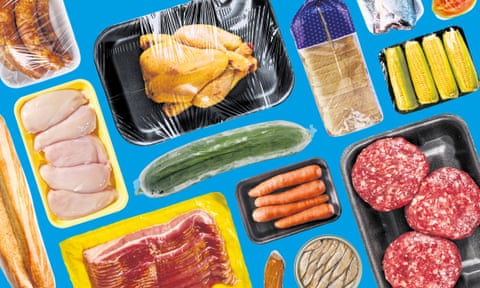
In the bustling world of food production, where millions of products are manufactured, processed, and distributed every single day, there exists a category of equipment that operates with quiet efficiency, protecting the quality and freshness of the food we consume while remaining largely invisible to the end consumer. These are the food packaging machines, the silent guardians that stand between the producer and the consumer, ensuring that the food that leaves the factory arrives at the table in the same condition it was produced, safe, fresh, and appealing. The importance of these machines extends far beyond the factory floor, because they are essential to reducing food waste, extending shelf life, and ensuring that food can be transported and stored safely over long distances and extended periods. The evolution of food packaging machines has been driven by the relentless pursuit of better preservation, greater efficiency, and lower costs, resulting in machines that are faster, more accurate, and more versatile than ever before. The industry that designs and manufactures these machines is a global enterprise, with companies in every major industrial region producing equipment for the diverse needs of food producers around the world. The selection and operation of a food packaging machine require careful consideration of product characteristics, packaging requirements, production volumes, and regulatory standards, making this a specialized field that demands expertise and experience. Understanding the role and importance of food packaging machines is essential for anyone involved in food production, because the performance of this equipment directly impacts the quality, safety, and profitability of the entire operation.
The Critical Functions Performed by Modern Packaging Systems
The modern food packaging machine performs a remarkable array of functions that go far beyond simply placing food into a container, encompassing everything from product handling and portion control to atmosphere modification and quality verification, all in a single integrated system. The product handling function is the first critical operation, involving the transfer of product from bulk storage or upstream processing into the packaging machine, and this function must be performed gently and efficiently to prevent damage to the product while maintaining the required production speed. The portion control function is essential to ensuring that every package contains the correct amount of product, meeting both regulatory requirements and consumer expectations, and this function is performed using advanced weighing, volumetric, or counting systems that provide exceptional accuracy and consistency. The container forming function creates the package from raw materials, whether by forming a pouch from film, erecting a carton from a flat blank, or positioning a preformed container, and this function must be performed with precision to create a package that is strong, attractive, and functional. The filling function delivers the product into the container with accuracy and cleanliness, using specialized filling heads and control systems that prevent spillage, contamination, and product damage, and this function is critical to ensuring that the final package meets quality and weight specifications. The sealing function creates the hermetic closure that protects the product from contamination and spoilage, using heat, pressure, or other bonding methods to create a seal that is strong, reliable, and visually appealing, and this function is essential to product safety and shelf life. The atmosphere modification function, where applicable, replaces the air inside the package with a controlled gas mixture that extends shelf life, and this function requires careful control of gas composition and sealing conditions to achieve the desired preservation effect. The labeling and coding function applies the information that consumers and regulators need, including product identification, ingredients, nutritional information, and date codes, and this function must be performed accurately and legibly to meet regulatory requirements and support supply chain traceability.
The Challenges of Packaging Different Product Categories
One of the greatest challenges in food packaging is the enormous diversity of products that must be packaged, each with its own unique characteristics and requirements, and the food packaging machine must be capable of handling this diversity while maintaining consistent quality and efficiency. Liquid products such as beverages, oils, and sauces are among the most straightforward to package, but they present challenges such as foaming, splashing, and drip control, and the food packaging machine must incorporate features such as anti-foaming filling heads, drip trays, and precise flow control to achieve clean, accurate fills. Semi-liquid products such as yogurts, purees, and pastes present greater challenges because of their viscosity and tendency to stick to surfaces, and the food packaging machine must incorporate positive displacement pumps, heated filling systems, and specially designed filling heads that can handle these materials without smearing or stringing. Powdered products such as flour, sugar, and spices present challenges such as dust generation, compaction, and flow variations, and the food packaging machine must incorporate dust control systems, anti-compaction devices, and accurate dosing mechanisms that can handle the variable flow characteristics of powders. Granular products such as nuts, grains, and cereals require gentle handling to prevent breakage and damage, and the food packaging machine must incorporate vibratory feeders, weighing systems, and specialized filling heads that can accurately measure these products while maintaining their integrity. Fragile products such as chips, crackers, and cookies require extremely gentle handling to prevent breakage, and the food packaging machine must incorporate specialized conveying and filling systems that minimize product damage while maintaining production speed. The ability to handle this diversity of product categories is a testament to the versatility and sophistication of modern food packaging machines, and the selection of the appropriate machine for a specific product requires careful analysis of the product characteristics and their implications for machine design and operation.
The Integration of Packaging with Upstream and Downstream Operations
The food packaging machine does not operate in isolation but is part of a larger production system that includes upstream processing operations and downstream distribution and retail activities, and the integration of the packaging machine with these other operations is essential to achieving optimal efficiency and quality. The interface between the food packaging machine and upstream processing operations, such as mixing, cooking, and cooling, must be carefully managed to ensure a consistent supply of product to the packaging line, with buffer storage and flow control systems that accommodate variations in processing speed and prevent interruptions. The integration of quality control systems throughout the production line is essential to ensuring that only products that meet quality standards reach the packaging machine, and this integration includes upstream inspection systems that identify and reject defective products before they reach the packaging line. The interface between the food packaging machine and downstream distribution operations, such as case packing, palletizing, and warehousing, must be carefully managed to ensure that finished packages are efficiently transferred to the next stage of the supply chain, with automated handling systems that minimize manual labor and reduce the risk of damage. The integration of data systems throughout the production line is essential to achieving the traceability and transparency that are increasingly demanded by consumers and regulators, with data from the packaging machine feeding into broader production and supply chain management systems. The use of standardized interfaces and communication protocols is essential to achieving seamless integration between the food packaging machine and other systems, and the adoption of industry standards such as OPC and MES is facilitating this integration. The integration of the food packaging machine with upstream and downstream operations is essential to achieving the levels of efficiency, quality, and traceability that are required in today’s competitive food industry, and the companies that achieve this integration effectively will be well-positioned for success.
The Training and Skill Development for Packaging Personnel
The operation and maintenance of a food packaging machine require specialized knowledge and skills, making training and skill development essential to maximizing equipment performance, ensuring product quality, and maintaining a safe working environment. The operators of food packaging machines must understand not only the mechanical operation of the equipment but also the product characteristics, quality requirements, and safety procedures that are essential to successful packaging operations, and this understanding is developed through comprehensive training programs that combine classroom instruction with hands-on experience. The maintenance personnel responsible for food packaging machines must possess a deep understanding of mechanical, electrical, and control systems, and they must be capable of diagnosing and resolving problems quickly and effectively, skills that are developed through specialized training and ongoing professional development. The supervisors and managers responsible for packaging operations must understand the broader context of food production, including regulatory requirements, quality standards, production planning, and continuous improvement, skills that are developed through management training and experience. The training of food packaging machine personnel must be an ongoing process, because machines change, products change, regulations change, and personnel change, and continuous training ensures that staff have the current knowledge and skills they need to perform their jobs effectively. The use of training aids such as manuals, videos, and interactive simulations can enhance the effectiveness of training, providing staff with resources they can refer to when questions arise, and these aids should be updated regularly to reflect changes in equipment and procedures. The investment in training and skill development is essential to maximizing the return on investment in food packaging machines, because skilled operators and maintenance personnel can significantly improve productivity, reduce downtime, enhance quality, and extend equipment life, delivering benefits that far exceed the cost of the training itself.